
Engaging an interior designer can feel like a big step. You may wonder whether your project is too small, whether professional design advice will be expensive or whether the end result will truly feel like you.
The reality is that interior design can be valuable at almost any scale. You might simply need help choosing paint colours, furniture or window furnishings or you may be planning a brand-new home or complete renovation and need guidance from the initial concept through to completion.
A good interior designer can also help you spend your budget more wisely. By making considered design decisions from the outset, avoiding costly mistakes and sourcing the right products, materials and trades, your budget can be directed towards the things that will make the greatest difference.
My approach as an interior designer is always to create a home that feels individual to you. Your lifestyle, personal taste, practical needs and budget all inform the design. The aim isn’t to impose a particular style but to help you make confident choices and create a home you genuinely love living in.
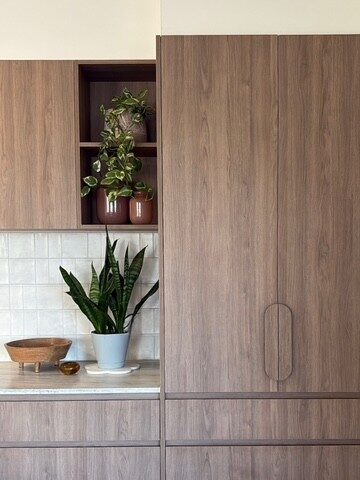
Write down what you’d like to achieve
Before meeting with your interior designer, put together a simple dot-point list of everything you’d like to address. It doesn’t need to be detailed or perfectly organised. It’s simply a useful starting point for the conversation.
Is it the kitchen, window furnishings, furniture or everything? Include your must-haves, any existing items or features you’d like to keep and anything you may be willing to compromise on. If you’ve already done some research, have that information at hand too.
Be open about what you love and what you don’t. If you dislike carpet, certain colours or clutter, include that. Likewise, if you can’t live without a footstool, have your heart set on an open fireplace or need to accommodate a piano, write it down.
The more information you can share with your interior designer about your priorities, preferences and practical requirements, the better they can tailor the design to you and your home.
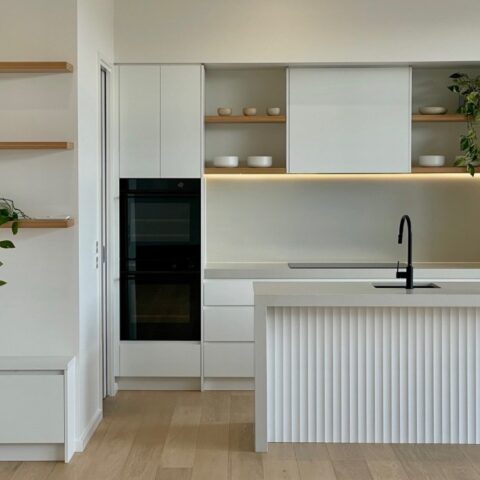
Gather imagery
Collect images of rooms, homes, furniture and details that appeal to you and share them with your interior designer.
A Pinterest board, saved Instagram posts, a Houzz ideas book, magazine cuttings or simply a folder of images on your phone are all useful. You don’t need to know exactly what your style is or why you like something — the images themselves can tell your interior designer a great deal about what you’re drawn to.
Words such as traditional, contemporary, sophisticated, luxe, hamptons or coastal can mean very different things to different people. Images provide a much clearer picture of the colours, materials, textures and overall feeling you have in mind.
Your interior designer can then interpret those ideas and show you how that look can be achieved in a way that suits your home and your budget.
Share some details about yourself
Tell your interior designer a little about yourself and the way you live. What do you do for work? What are your hobbies? Do you love cooking or entertaining? Do you travel often, play sport or work from home? Do you love a beautifully organised space or simply hate cleaning?
Share the furniture, artwork and objects you treasure along with the brands, materials and styles you like and those you don’t.
The more your interior designer understands about you and your lifestyle, the more they can create a home that reflects your personality, works for the way you live and feels genuinely yours.
Be upfront about your budget
Be open with your interior designer about your budget from the outset. There’s no need to feel embarrassed if you think it’s too small, projects can often be approached in stages and part of an interior designer’s role is to help you spend your budget wisely and get the best possible result.
This might mean economising in some areas so you can invest more in others or finding creative alternatives that achieve the look you want without unnecessary expense.
Equally, if you have a generous budget, be open about that too. Knowing what you are comfortable spending allows your interior designer to present appropriate options at different price points and help you decide where it makes sense to invest.
Be open and honest
If your interior designer suggests an idea, product, colour or finish that you don’t like, say so. There is always another idea to explore or an alternative product to consider. Knowing what you don’t like can be just as helpful as knowing what you do.
Likewise, if you don’t understand something, ask. Your interior designer should be able to explain how something will work, look or come together so you feel comfortable with the decisions being made.
Good interior design is a collaborative process. Open and honest communication helps ensure the end result is a home that feels right for you.
I hope you now feel confident to engage an interior designer for your next project & if you’re in the regions of Greater Geelong, Surf Coast or Hobart feel free to contact me.